Winvest Management Outlines Miami Rental Management Priorities for 2027
The company’s outlook examines rental pricing, tenant retention, maintenance planning, condominium expenses and
Press Release Disclaimer: This is a press release distributed through the XPR Media network. It has not been independently verified by our newsroom.
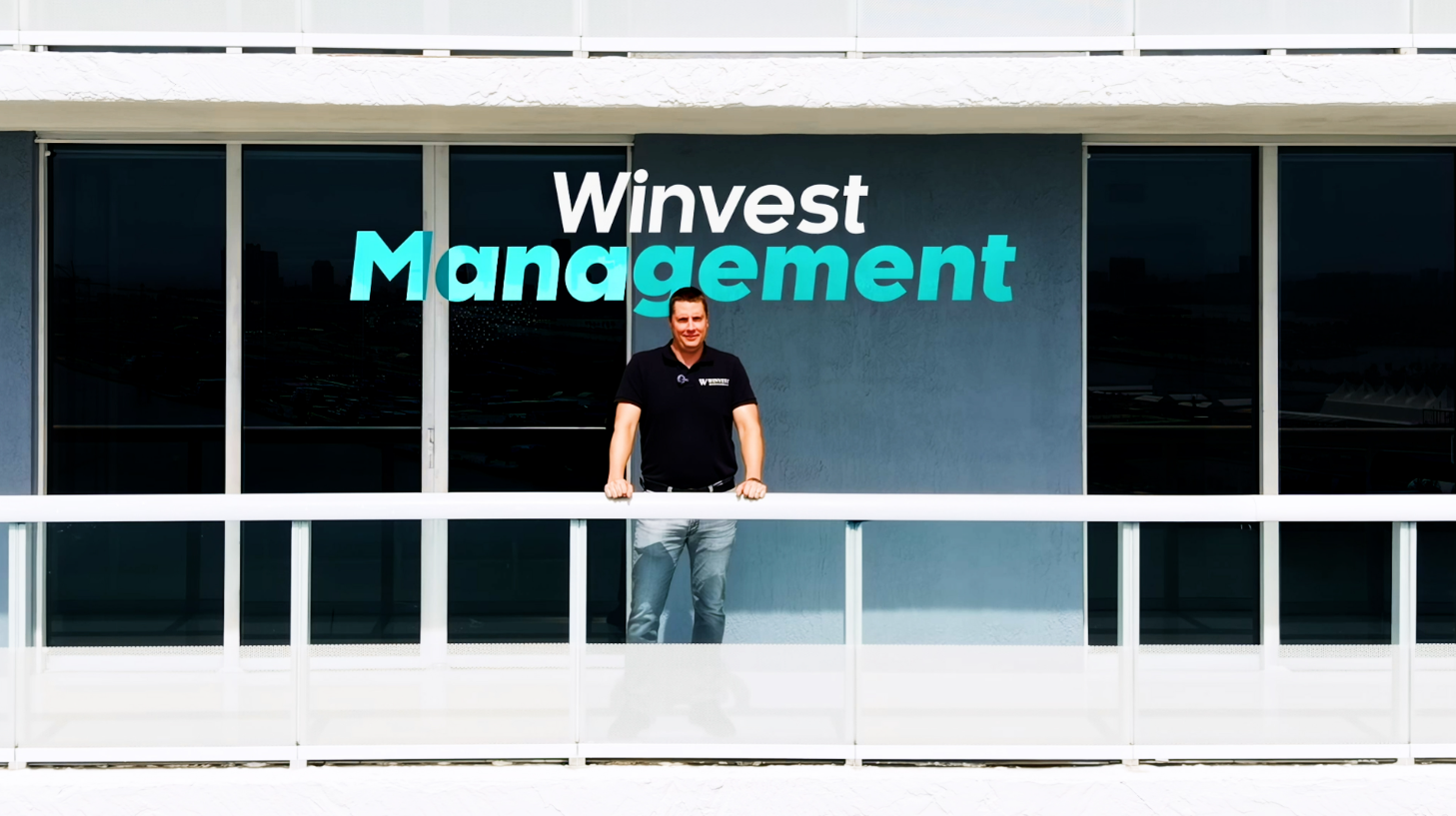

The company’s outlook examines rental pricing, tenant retention, maintenance planning, condominium expenses and financial reporting.
MIAMI, FL, UNITED STATES, October 11, 2026 /EINPresswire.com/ — Winvest Management has outlined five priorities in its Miami rental management outlook for 2027, examining how rental supply, leasing decisions and property expenses factor into annual planning.
The outlook identifies property-specific pricing, tenant retention, preventive maintenance, condominium expense planning and financial reporting as areas of focus. It addresses single-family rental homes, individual condominium units and small apartment buildings, with an emphasis on differences between properties and neighborhoods.
The market context includes continued rental demand alongside additional apartment inventory. In its August 18, 2026 report, MIAMI REALTORS® + RWorld reported that Miami-Dade County multifamily asking rents increased 1.6% year over year in July 2026. During the preceding 12 months, the county recorded 9,314 completed units and net absorption of 8,353 units. Occupancy stood at 95.5%, compared with 95.9% a year earlier.
Those figures cover the multifamily market and do not establish rental performance for individual homes or condominium units. Winvest Management’s outlook uses the data as background for examining property-level operating decisions heading into 2027.
Rental Pricing and Competing Inventory
The first priority is the relationship between asking rent and competing inventory. The outlook emphasizes comparable properties, location, condition, amenities and leasing activity as factors in evaluating rental pricing.
Countywide rent changes provide broader context, while an individual property’s leasing prospects depend on the alternatives available to prospective tenants. The company’s planning perspective also considers vacancy duration alongside advertised rent when evaluating potential rental income.
Tenant Retention and Turnover Costs
The second priority examines renewal decisions in relation to turnover expenses. A change in tenancy can involve an interruption in rent collection, cleaning, repairs, marketing and leasing work.
The outlook identifies renewal timing, maintenance responsiveness and tenant communication as operational considerations. Its approach evaluates potential rent adjustments alongside the expenses associated with preparing and leasing a vacant property.
Preventive Maintenance and Property Records
The third priority concerns scheduled maintenance and documentation. The outlook includes air-conditioning service, plumbing checks, moisture monitoring and routine inspections among the items relevant to annual property planning.
Maintenance histories and inspection records provide information about recurring repairs and potential replacement needs. Budgeting for anticipated work can also help distinguish routine operating expenses from larger capital expenditures.
Condominium Expenses and Leasing Procedures
The fourth priority addresses the connection between individual condominium rentals and building-level operations. Association charges, assessments, maintenance plans and leasing procedures can influence a unit’s expenses and the timing of tenant placement.
The outlook considers these factors alongside expected rental income. It also identifies association documentation and available budget information as inputs when evaluating a condominium rental’s financial position for the coming year.
Financial Reporting and Operating Performance
The fifth priority focuses on the relationship between collected rent and property expenses. Rental income alone does not account for vacancy, repairs, insurance, association charges or turnover costs.
The outlook emphasizes consistent income and expense reporting to support comparisons between budgeted and actual performance. Property-level records can help identify changes in operating costs and inform maintenance and reserve planning.
Scope of the Outlook
Winvest Management’s 2027 outlook presents an operational planning perspective. It does not assign a countywide rental growth target or predict returns for individual properties.
The analysis draws on publicly available rental market reporting and the management considerations described above. Rental outcomes in 2027 will depend on property condition, neighborhood competition, operating expenses and changes in supply and demand.
Market data referenced in this release is available in the MIAMI REALTORS® + RWorld report, “South Florida Apartment Rents Outpace U.S. Average, Led by Palm Beach County,” published August 18, 2026:
https://www.miamirealtors.com/2026/08/18/south-florida-apartment-rents-outpace-u-s-average-led-by-palm-beach-county/
About Winvest Management
Winvest Management is a Miami property management company serving owners of single-family rental homes, individual condominium units and apartment buildings in Miami and surrounding South Florida communities. Services include leasing, tenant screening, rent collection, maintenance coordination, property inspections, tenant communication and owner reporting.
Company information is available at https://winvestmanagement.com/.
Joseph Hunike
Winvest Management
+1 305-403-9226
Legal Disclaimer:
EIN Presswire provides this news content “as is” without warranty of any kind. We do not accept any responsibility or liability
for the accuracy, content, images, videos, licenses, completeness, legality, or reliability of the information contained in this
article. If you have any complaints or copyright issues related to this article, kindly contact the author above.

Media gallery